
Harsh Environment · 2 of 3
Why electronic load cells fail in harsh environments
Water, flooding, lightning and corrosion kill electronic load cells — four published Emery Winslow Scale case studies (Plumrose, Boar's Head, Morgan Foods, Rogers Group) show the pattern and the cost.
The pattern: the sensor sits in the damage
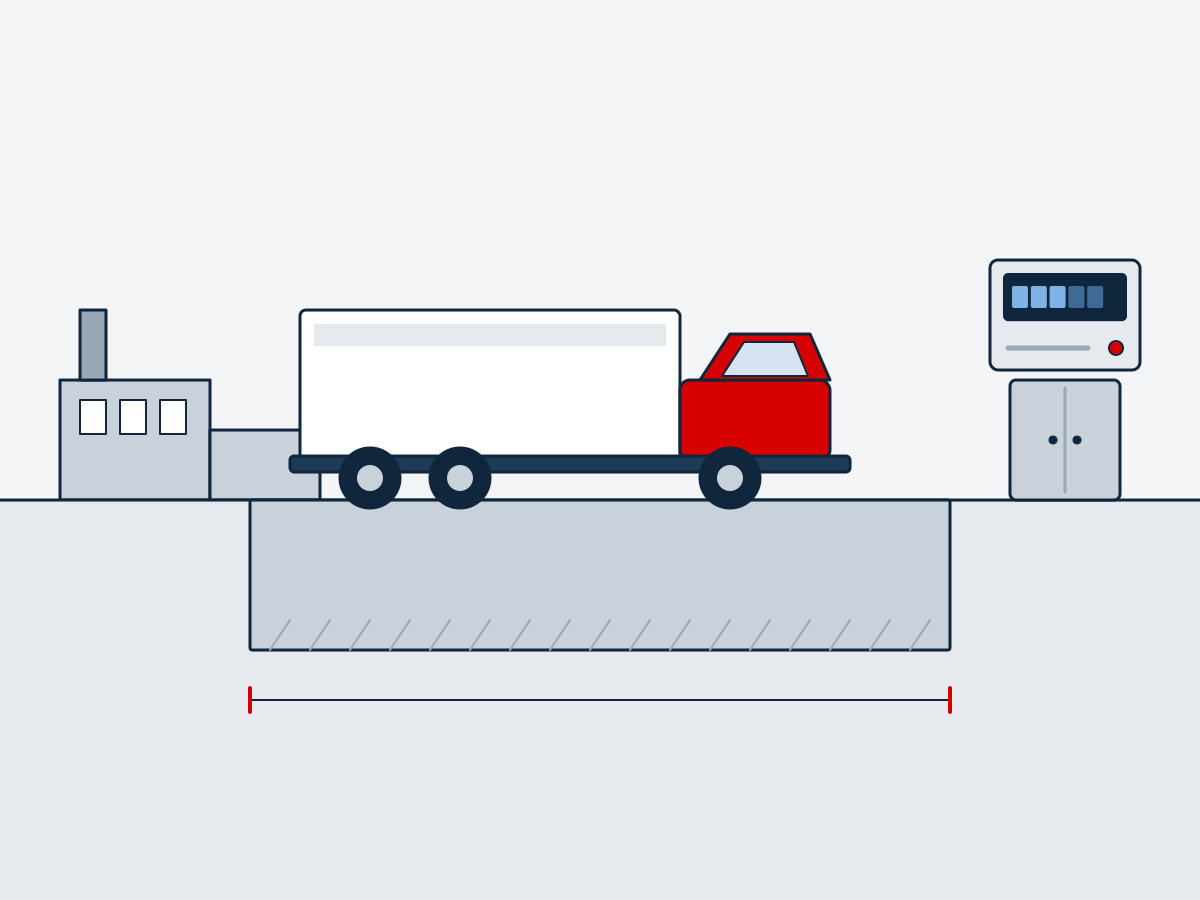
An electronic load cell puts a strain-gauge sensor, its cable and a summing board exactly where the load is — under the tank, in the pit, beneath the weighbridge deck. Everything the environment does to the scale, it does to those electrical parts first. The failures below are not rare accidents; they are the published experience of plants that weighed in harsh conditions for years.
Water, every night: Plumrose and Morgan Foods
At Plumrose, a meat processor, the third shift is an intense high-pressure washdown of all equipment. Water getting into electronic load cells regularly made them fail — which could stop production or, worse, lead to the wrong amount of an ingredient being added. At Morgan Foods, a large food processor, the director of engineering described changing an electronic load cell as “almost a daily thing”. Both plants moved to hydrostatic load cells, which contain no electronics at the scale. (Summaries of case studies published by Emery Winslow Scale Company; HearS did not take part in these projects.)
Pits that flood: Boar's Head
Many processors avoid pit scales because flooded pits damage electronic load cells. Boar's Head uses Emery Winslow Model 709 pit scales installed flush with the floor; the pits do occasionally flood, and the hydrostatic load cells were unaffected. The company reported getting the price difference back many times over in reduced downtime, fewer repairs and no replacement load cells.
Lightning: Rogers Group and Redland Stone
At Rogers Group, an aggregates producer, the load cell in the old scales had to be replaced at least three times a year because of lightning strikes; after moving to hydrostatic scales the aggregate manager estimated savings of about USD 4,000 per year per scale in maintenance. A hydrostatic system has no signal cable running from the scale to the electronics, so a strike on the scale has no copper path to travel along.
Corrosion: the slow failure
Corrosive vapour and wash chemicals rarely kill a cell in a day. They creep into connectors and cable jackets, drift the calibration and fail the cell months later — usually mid-production. Stainless construction and the absence of electronics at the weighing point remove most of the attack surface.
The real cost is downtime, not the cell
In every case above, the load cell itself was the small cost. The large cost was a stopped line, a wrong batch, a weighbridge out of service and a maintenance team replacing the same part again and again. That is why harsh-environment weighing should be compared on cost of ownership, not on purchase price — the point Emery Winslow Scale itself makes about its Hydrostatic™ systems. Read the full stories on the case studies page, then see how the hydrostatic solution is delivered in Vietnam by HearS.
Keep reading
What makes an environment harsh for a scale?
A plain-language definition of harsh and hazardous environments for industrial weighing: washdown, flooding, c…
Read the article: What makes an environment harsh for a scale?Hydrostatic weighing for harsh environments — delivered in Vietnam by HearS
How Emery Winslow Scale Hydrostatic™ load cells (120 and 136 Series LifeMount) answer washdown, flooding, ligh…
Read the article: Hydrostatic weighing for harsh environments — delivered in Vietnam by HearSIndustrial Harsh Environment weighing solutions
The HearS solution hub: definitions, case studies and Hydrostatic™ technology.
Read the article: Industrial Harsh Environment weighing solutions
Need help with this?
Tell us about your application and we will reply by email.