
HearS Solutions
Weighing for oil, gas & LPG
Vietnam’s fuel system runs on weighed tonnes: two refineries — Dung Quất, at 6.5 million tonnes a year and expanding to 8.5, and Nghi Sơn at 10 million tonnes a year — plus an LPG network in which PV GAS traded more than 5 million tonnes of LPG and LNG in 2025, with domestic LPG sales around 1.7 million tonnes. At terminals, spheres and filling plants, weighing happens where flammable gas is a normal condition.

Four problems this solution is built around
HearS presents this solution by its working principle, and will walk your HSE team through the manufacturer’s documentation. The principle answers four problems that electronic weighing cannot.
An ignition source at the weighing point
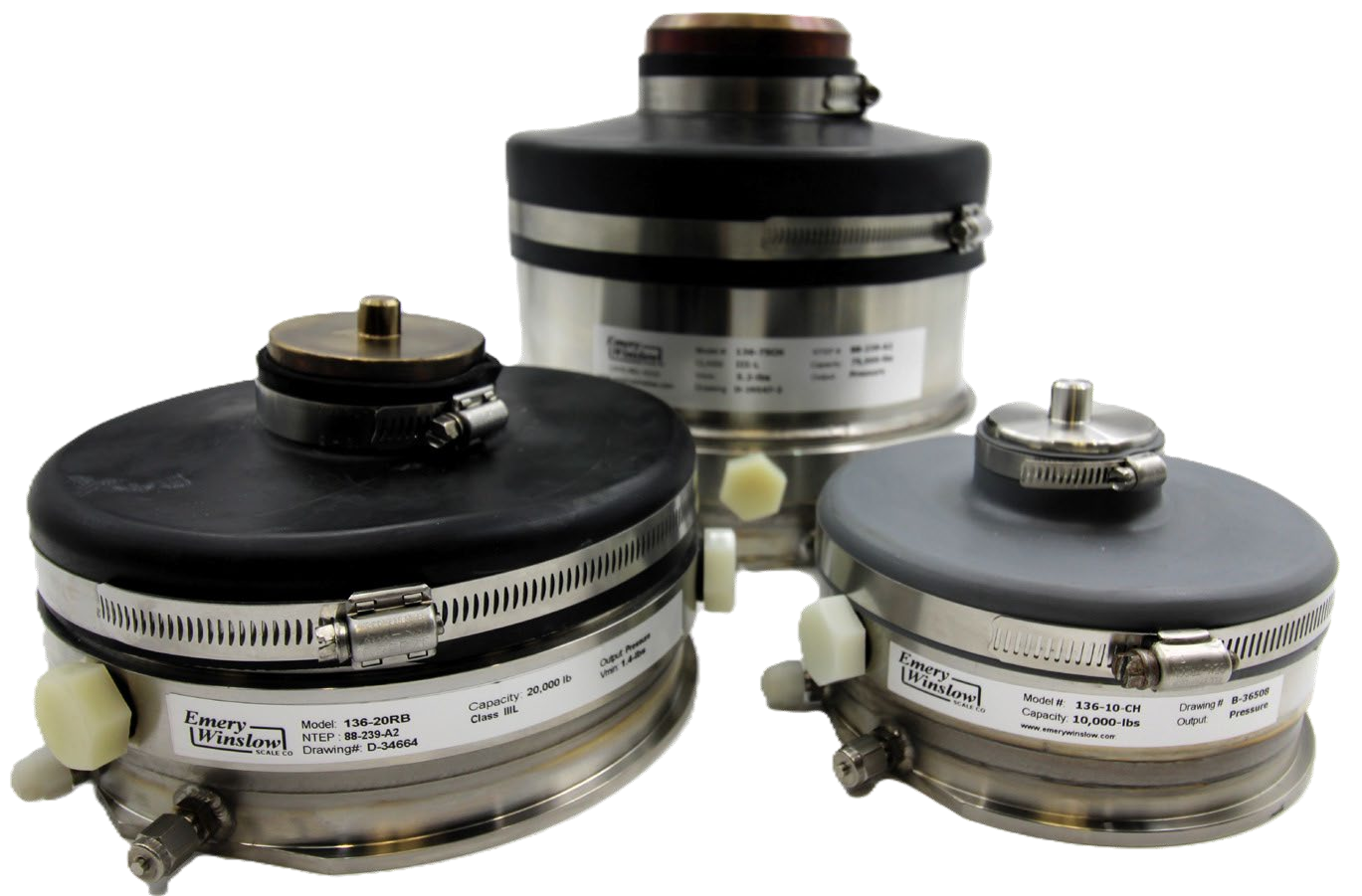
The fire triangle needs fuel, oxygen and an ignition source. LPG vapour and air cannot be removed from a terminal — the leg you can remove is ignition. An electronic load cell puts electrical energy exactly where gas may be present; a hydrostatic cell puts none: the sensing point is a piston, a diaphragm and fluid.
Lightning and moisture kill cells
Tank farms and depots stand outdoors through the storm season. Electronic cells fail to water ingress and lightning strikes; Emery Winslow’s hydrostatic cells are guaranteed for life against water, lightning and electrical damage.
Replacing a cell means stopping the tank
A cell under a sphere or storage tank cannot be swapped like a spare part: replacement means emptying, purging and downtime. With no electronic parts at the point, hydrostatic service life is measured in decades — “Never Replace Your Load Cells Again!” is Emery Winslow’s own line.
Corrosion at coastal terminals
Salt air, sour service and chemical exposure attack ordinary equipment. Hydrostatic cells are stainless 304 as standard, with 316, titanium, Monel and Hastelloy options for corrosive duty.
Pressure, not electricity
The cell converts load into fluid pressure; tubing carries the pressure to a totalizer in a safe, clean area, where it becomes an electronic signal. Everything electrical lives outside the hazardous area — the weighing point itself holds no electrical energy and generates no spark.
- No electrical energy at the sensing point — no ignition source from the scale
- Lifetime guarantee against water, lightning and electrical damage
- 304 stainless standard; 316, titanium, Monel and Hastelloy options
- HearS survey, design, installation and HSE documentation support in Vietnam
Hazardous areas: four ideas that must not be mixed up
Fuel and LPG sites are divided into classified hazardous areas, and weighing equipment is often discussed in loose language. Four different ideas are routinely confused — here is each one, precisely.
No electrical components at the sensing point
A physical fact about a hydrostatic cell: there is nothing electrical at the cell to spark, heat up or fail. This is a property of the technology — it is not a certificate, and HearS does not present it as one.
Intrinsic safety
A protection concept for electrical circuits (IEC 60079-11): energy is limited so the circuit cannot ignite a surrounding atmosphere. It applies to electrical equipment — Emery Winslow offers FM-approved, intrinsically safe indicators for the instrument side of its systems.
Explosion-proof (flameproof) protection
A different protection concept (IEC 60079-1): an enclosure built to contain an internal explosion and cool the escaping gases. It is a property of specific, certified electrical enclosures — not of a weighing technology.
Approval for hazardous-area installation
The formal step: equipment certified by a recognised body for a defined zone, installed and accepted under the site’s own area classification. Frameworks such as the IEC 60079 series structure the assessment; in Vietnam, the plant’s HSE assessment and the applicable national regulations decide.
Emery Winslow hydrostatic load cells hold no electrical energy at the sensing point, which removes the scale as a potential ignition source. HearS does not claim ATEX, IECEx or Zone certification for this equipment, because no such certification has been verified for it. Whether a weighing point may be installed in a classified area is decided by the plant’s area classification and HSE assessment — and HearS supports that assessment with the manufacturer’s documentation.
Where it fits
Tank and sphere weighing
Inventory and custody weighing of storage tanks and LPG spheres on 136 Series cells — without breaking into the vessel.
Loading racks and depots
Weighing at loading racks and depot custody points, where tankers are filled and checked by weight.
Filling plants
Cylinder-filling and filling-carousel weighing across the LPG distribution network — thousands of small weighing points, one principle.
The digital layer: every weighing becomes a record
Every tanker movement can be logged by trip — vehicle, time, net weight — with a QR code on the trip documents. Loading and delivery figures reconcile trip by trip, so fuel losses are visible instead of absorbed.
Weighing fuel or LPG?
Tell us the terminal, the vessels and your HSE requirements. HearS will propose the design and scope.
Prefer to talk it through? Send us a photo of your current scale by email — and HearS will advise before any quotation.