
Emery Winslow case study · Food processing · daily load cell failures
Morgan Foods: from a cell change almost every day to hydrostatic
A large food processor that depends on its load cells and was replacing electronic cells almost daily.
What happened
Morgan Foods, in southern Indiana, is described as one of the largest privately owned food processing companies in the United States. It upgrades its production machinery every year.
“We are totally dependent upon the load cells working correctly,” said its director of engineering. With electronic load cells, changing a cell was “almost a daily thing”.
Hydrostatic scales are electrically inert at the weighing point, so they are not exposed to many of the causes that make electronic load cells fail.
“These Hydrostatic load cells proved to be the answer for our application.” Cory Lytle, Director of Engineering, Morgan Foods.
- Harsh factor: wet, cleaned-down food production
- Before: almost daily electronic cell replacements
- After: hydrostatic load cells
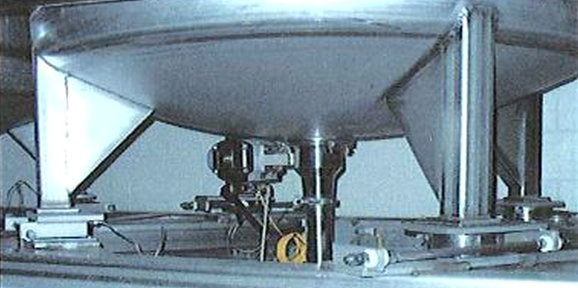
Source: Emery Winslow Scale Company, “Morgan Foods: Going Hydrostatic”, https://www.emerywinslow.com/morgan-foods/, accessed 15/11/2026. Read the original case study.
This is a HearS summary in our own words. Short quotes are as published by Emery Winslow; names, figures and quotes come only from that page. HearS did not take part in this project. Image: Emery Winslow Scale Company (photo from the manufacturer's case study).
Facing similar conditions?
Tell us about the site and what keeps damaging your scales. We reply by email.