
Emery Winslow case study · Deli meats · flooded pits
Boars Head: pit scales that keep working when the pit floods
A meat processor using flush-mounted pit floor scales in harsh washdown, where electronic load cells often need replacing.
What happened
The case study notes that harsh washdown is hard on electronic components, and that electronic floor or hopper scales in meat plants often need several load cell replacements a year.
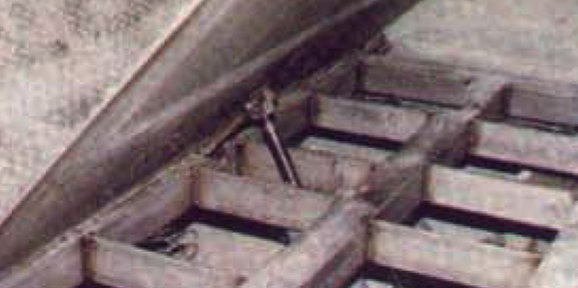
Boars Head uses Emery Winslow Model 709 pit scales installed flush with the floor, in several sizes and capacities. Some serve shipping and receiving; others pre-weigh rolling vats of product before they go into mixers and grinders.
Many processors avoid pit scales because flooded pits damage electronic load cells. The Boars Head pits do flood from time to time, but the hydrostatic load cells are not affected.
“We get the price difference back many times over in the form of dramatically reduced down-time, fewer repairs and no replacement load cells.”
- Harsh factor: washdown water and pits that flood
- Installed: Model 709 pit floor scales
- Reported: less downtime, fewer repairs, no replacement load cells
Source: Emery Winslow Scale Company, “Boars Head: Food Engineering”, https://www.emerywinslow.com/boars-head/, accessed 15/11/2026. Read the original case study.
This is a HearS summary in our own words. Short quotes are as published by Emery Winslow; names, figures and quotes come only from that page. HearS did not take part in this project. Image: Emery Winslow Scale Company (photo from the manufacturer’s case study).
Facing similar conditions?
Tell us about the site and what keeps damaging your scales. We reply by email.